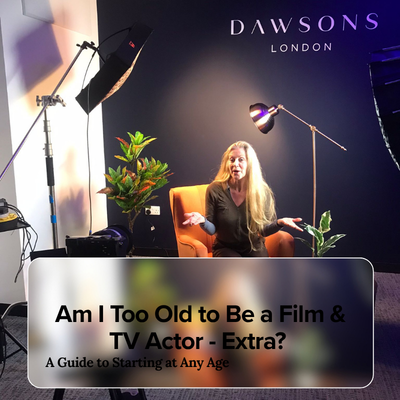
Becoming a Film Extra at 50 plus? Preview Have you ever watched a television drama,…
Casting Actors for Commercials: What to Consider Before You Start
Casting actors for commercials involves far more than finding people who look right on camera. Whether you are producing a television advert, online campaign or branded video, the people you choose can influence how believable your story feels and how effectively your message connects with its audience. From developing the initial brief to understanding filming requirements, making the right decisions early can save time, avoid unnecessary costs and help your production run smoothly.
 Getting the Right People in Front of the Camera
You have a creative concept, the script has been approved and the production team is beginning to bring everything together. Locations are being discussed, filming dates are taking shape and everyone has a reasonably clear picture of what the finished advert should look like.
Then comes the question of who is actually going to appear in it.
It sounds straightforward enough, particularly if your commercial only involves a handful of people, but finding individuals who can bring a creative idea to life is often more complicated than expected. Someone might look exactly as you imagined in a photograph but struggle to deliver a natural performance, while another person may have the right experience but be unavailable when filming begins.
For production companies and marketing teams, understanding what you need from the people appearing on screen is one of the most useful things you can establish before the search begins.
Start With the Story, Not the Headshots
It can be tempting to begin looking through photographs as soon as you know a production needs people, especially when you already have a particular appearance in mind. However, a photograph can only tell you so much about whether somebody is suitable.
Consider a commercial featuring a family enjoying a weekend away. You might need two adults and two children, but their ages and appearances are only part of the picture. The family needs to feel believable together, particularly if the advert involves natural interactions, conversation or moments of shared excitement.
The same principle applies to a business advert featuring colleagues in an office or a supermarket campaign showing customers shopping together. Your audience should recognise the situation without questioning whether the people belong there.
Before approaching a casting supplier, think about what each person contributes to the story, how they will interact with others and what you want the audience to feel when watching them.
A well-developed brief gives everyone a clearer understanding of the creative intention and makes it easier to identify suitable people from the beginning.
Understanding the Difference Between Actors and Background Extras
One of the first practical decisions is establishing which roles require experienced performers and which can be filled by supporting artists.
If your commercial includes dialogue, emotional reactions or a particular character performance, you may need someone with professional acting experience. Even a relatively simple line can require several takes, adjustments in delivery and the ability to respond naturally to direction.
Background roles are different, although they still require careful selection.
Imagine filming a commercial inside a busy restaurant. The main actors might be having a conversation at one table, while other diners, waiting staff and customers create the atmosphere around them. Those background performers may never speak, but their presence helps the location feel like a genuine working restaurant.
The distinction matters when planning your budget and schedule. Not every person appearing on camera needs the same experience or responsibilities, and identifying those differences early helps ensure the right people are considered for each role.
Why Natural Performances Matter in Advertising
Think about an advert you have watched recently where the interaction between the people felt slightly uncomfortable. Perhaps the conversation sounded rehearsed or the reactions were more enthusiastic than the situation deserved.
Even with excellent filming and editing, something can feel unconvincing when the people on screen do not behave naturally.
Audiences are familiar with everyday interactions, which means they quickly recognise when something seems exaggerated. A customer discussing a product, a parent speaking to their child or two colleagues sharing a conversation should behave in a way that suits the setting and the message.
This is particularly relevant when brands want their advertising to feel relatable rather than heavily scripted.
Experienced performers understand how to adjust their delivery, respond to direction and maintain consistency across several takes. Equally, some productions benefit from people with a more natural, everyday appearance or manner, depending on the creative approach.
The important consideration is what will make your particular story believable to the audience you want to reach.
The Practical Details That Can Affect Your Filming Day
Creative suitability is important, but there are several practical considerations that can influence whether somebody is right for a production.
Filming dates and locations are an obvious starting point, although it is worth considering whether performers need to attend rehearsals, wardrobe fittings or additional filming days. If your schedule is particularly tight, confirming genuine availability before making final selections can prevent unnecessary disruption.
Wardrobe requirements may also influence your choices, especially for period productions, specialist uniforms or campaigns involving particular clothing sizes. If someone needs to drive, dance, perform a specific action or demonstrate a technical skill, those requirements should be established before casting begins.
Usage rights deserve attention too. Where and for how long the finished advert will be shown can affect agreements and costs, particularly for featured performers. A campaign intended for a short period on social media may have different requirements from one appearing across television, digital advertising and international markets.
These details are much easier to manage when discussed at the beginning rather than after someone has been selected.
Why Leaving Casting Until the Last Minute Can Create Problems
Commercial production schedules are rarely generous, and there is often pressure to move quickly once a campaign has been approved. Unfortunately, leaving the people until the final stages can restrict your options.
The more specific your requirements, the more time may be needed to identify suitable individuals, check availability and confirm arrangements. This becomes particularly important when you need several people who must look convincing together or when the production requires unusual skills or characteristics.
Late changes can also affect the budget. If filming dates move, locations change or the brief develops after selections have been made, previously suitable performers may no longer be available.
Involving your casting supplier while the production is being planned gives you an opportunity to identify potential challenges before they become problems on the filming day.
Preparing a Brief That Helps Everyone Work Efficiently
You do not need every creative detail finalised before beginning the conversation, but providing clear information makes the process considerably easier.
Start with the type of production, the intended audience and a short explanation of the concept. Include the number of people required, approximate ages, any specific characteristics or skills, and whether the roles involve dialogue or background activity.
You should also share your proposed filming location, dates, expected working hours and any information about where the finished content will be used.
If certain details are still being discussed, explain that too. A casting supplier can often help you understand which decisions need to be confirmed immediately and which can remain flexible while the production develops.
At Envisage Casting Agency, the aim is to understand the requirements behind each brief so that suitable actors, performers and supporting artists can be considered for the roles involved.
Good Casting Begins Long Before Filming
When an advert works well, audiences rarely stop to think about the decisions involved in choosing the people appearing on screen. They simply believe the situation, understand the message and hopefully remember the brand.
For production teams, achieving that result begins with thoughtful preparation. Understanding the characters, distinguishing between performance and background requirements, allowing sufficient time and communicating the practical details all contribute to a smoother process.
The most useful takeaway is to consider the people at the same time as the locations, filming schedule and creative concept, rather than treating them as one of the final arrangements.
After all, you can have an excellent script, beautiful location and experienced camera crew, but it is the people appearing in front of the camera who ultimately help your audience believe the story.
Related Posts